Why You Should Make Oral Exams Part of Your Yearly Wellness Visits
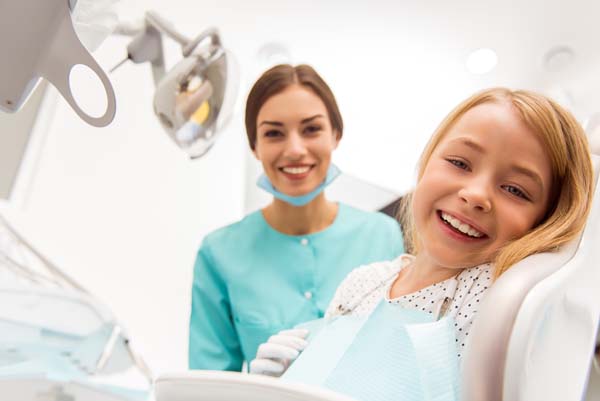
The American Dental Association recommends going to the dentist for oral exams at least twice a year.
Despite the recommendation, millions of people do not make regular visits to the dentist. They do not think they need to or they are nervous about going to the dentist.
Why regular oral examinations are important to your oral health
One of the reasons people fail to make regular trips to the dentist for oral exams is the fact that they do not understand its importance. For those who do not understand, a dentist can spot oral health problems early. This allows the patient to get treatment for the problem before it becomes a bigger and more expensive issue. Regular dental visits also help to prevent oral problems from developing.
Another reason people need to make regular visits to the dentist is the fact that the dentist can also spot general health problems during a dental examination. Health problems, like diabetes, heart disease and cancer, can be diagnosed by a dentist during oral exams.
Do I need to see the dentist if I have healthy teeth?
When people have healthy-looking teeth, they do not feel the need to make regular trips to the dentist. However, even though their teeth may look healthy, they are a few dental problems that are not visible to the naked eye. That is another reason why regular dental exams are recommended. Going to the dentist helps to keep the teeth healthy because the dentist will check for signs of tooth decay and remove any tartar they find on the gums.
How often should I go to the dentist?
This depends on how healthy the patient’s teeth and gums are. If the patient practices good oral hygiene, they should try to see their dentist twice a year. This is to make sure their teeth and gums remain healthy and to spot any potential problems that can only be diagnosed by the dentist.
If the patient does not practice good oral hygiene, they probably have some oral health issues that might require multiple visits to the dentist to fix. In this scenario, the dentist will tell the patient how often they need to come in to make sure there is no additional damage to their teeth and gums.
How do I find the right dentist?
Finding the right dentist depends on the patient’s needs or circumstances. If the patient has a family, it is recommended that they look for a dentist that practices family dentistry because it is more convenient than going to different dentists. Going to a family dentist also makes it easier for the kids if they are afraid of the dentist. They will feel more comfortable when they see their parent getting treated by the same dentist.
People are also advised to make sure that they check out patient reviews before deciding on the dentist they use. If the reviews are good, the patient can follow up by scheduling an appointment with the dentist to discuss any fears or concern they might have. If the reviews are bad, they should continue their search.
Conclusion
Going to the dentist regularly is important to both your oral and general health. If you have not been seeing your dentist regularly, schedule an appointment today to get an oral exam.
Request an appointment here: https://hemetdentalcenter.com or call Hemet Dental Center: Brian Stiewel DDS, INC. at (951) 707-4366 for an appointment in our Hemet office.
Check out what others are saying about our services on Yelp: Read our Yelp reviews.
Recent Posts
A cosmetic dentist can help create a smile you will be proud of, whether you are suffering from chipped teeth, stains, gaps, or poorly aligned teeth that are detracting from your smile's appearance. Most people have multiple dental issues that affect the aesthetics of their teeth, requiring a comprehensive treatment plan to address.Cosmetic dentists are…
Your cosmetic dentist can transform your appearance by enhancing your smile. You may be able to get these treatments from your general dentist. But a dentist who focuses on cosmetic dental treatments can deliver them with more detail. The following are the common procedures your cosmetic dentist can perform.This treatment is also called cosmetic bonding.…
Research shows that the demand for a cosmetic dentist’s services is increasing every year. The goal is to improve one’s smile. This dental care provider can address many cosmetic dental problems. Knowing the top services offered by a cosmetic dentist can help you make informed decisions on your next dental appointment.Teeth whitening is a quick…
Searching "emergency dentist near me" is the best course of action when sudden dental trauma or intense pain makes it impossible to function normally. Dental crises range from dull aches that suddenly sharpen to significant physical injuries that compromise the appearance and function of the smile. Identifying the specific signs of a true dental emergency…