Why Dentists Recommend Oral Cancer Screenings During Dental Checkups
Routine dental checkups often include preventive measures that go beyond cleaning teeth. An example is the oral cancer screening. General dentists recommend these screenings to detect early signs of oral cancer, which can significantly improve treatment outcomes. Understanding the role of oral cancer screenings and what to expect during them can help you decide whether you should request one at your next dental checkup.
Understanding oral cancer screenings from a general dentist
An oral cancer screening is a quick and non-invasive examination conducted by a general dentist to identify signs of cancer or precancerous conditions. General dentists are uniquely positioned to perform these screenings because they have extensive training in oral anatomy and the ability to recognize subtle changes that might go unnoticed by patients.
These screenings aim to detect abnormalities early — when treatment is most effective. Dentists examine the mouth, throat, and surrounding tissues for unusual lesions, discoloration, or lumps that may indicate a potential problem. Further, dentists typically include oral cancer screenings as part of a comprehensive dental checkup. This integration allows identifying potential issues without requiring additional dental appointments.
Common signs and symptoms of oral cancer
While general dentists are skilled at identifying potential issues during screenings, understanding common symptoms can encourage patients to seek care promptly if they notice changes in their oral health. Common symptoms of oral cancer include:
- Numbness or pain in the mouth or jaw
- Mouth sores or ulcers that do not heal
- Unexplained lumps or thickened areas in the oral tissue
- White or red patches in the mouth
- Trouble swallowing
- Chronic hoarseness
Although these symptoms are not always a result of oral cancer, they warrant attention and evaluation by a dentist. Regular screenings during dental checkups can distinguish between benign conditions and more serious concerns.
How important is early detection for oral cancer?
Early detection is important for any cancer, including oral cancer. This is because identifying cancer in its early stages allows for more effective and less invasive treatment options. Routine screenings during dental checkups increase the chances of detecting abnormalities before noticeable symptoms appear. This proactive care reduces the likelihood of complications and enhances treatment success rates.
When are oral cancer screenings recommended?
Oral cancer screenings are recommended for patients during routine dental checkups, regardless of age or apparent risk factors. While certain lifestyle choices, such as tobacco use or excessive alcohol consumption, can increase one's risk for oral cancer, screenings benefit everyone by allowing for early detection of potential issues.
However, the frequency of oral cancer screenings may vary based on the patient's individual risk factors and medical history. Patients with a history of oral cancer, a family history of the disease, or other predispositions may require more frequent evaluations. Even those without specific risk factors should undergo screenings regularly, as early detection improves treatment success rates and reduces the chances of complications. Incorporating these screenings into routine care provides an added layer of protection and helps maintain long-term oral and overall health.
How dentists perform oral cancer screenings
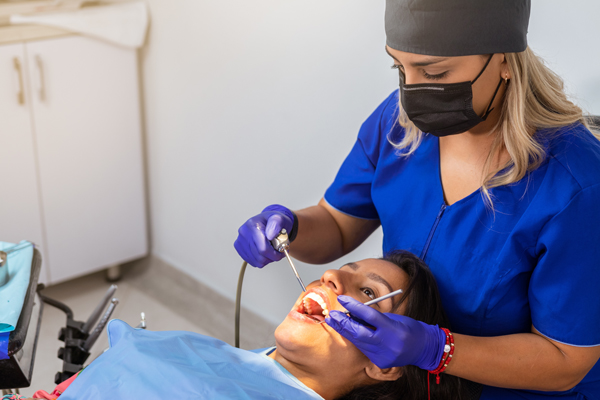
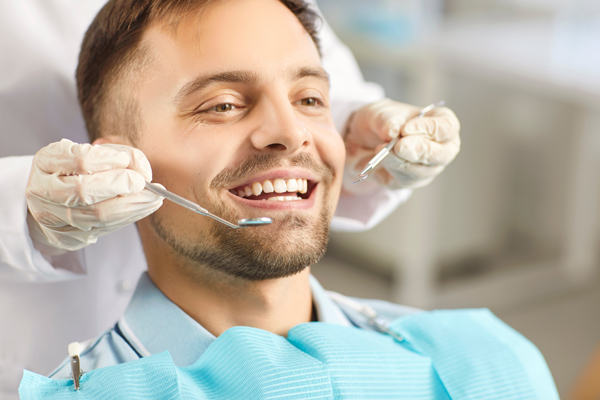
Oral cancer screenings are straightforward and typically take only a few minutes. General dentists begin by visually examining the mouth, including the lips, gums, tongue, and the insides of the cheeks. They look for abnormalities such as discoloration, unusual textures, or sores.
The screening also involves a tactile examination, where the dentist gently feels the jaw, neck, and oral tissues for lumps or irregularities. This step helps identify issues that may not be visible but can be detected through touch.
In some cases, dentists may use specialized tools or techniques to enhance the screening process. For example, they might use a light or dye to highlight abnormal areas. These tools provide additional clarity, particularly in cases where early signs of oral cancer are subtle.
Do oral cancer screenings hurt?
Oral cancer screenings are painless. They also do not require any preparation on the patient's end. Patients can expect their dentist to explain findings and recommend further evaluation if anything unusual is detected, as they can deliver a confirmed diagnosis. Ultimately, the goal is to provide timely information and ensure that patients address any concerns without delay.
Learn more about oral cancer screenings at your next checkup
Oral cancer screenings are a proactive approach to identifying potential health concerns. Including these health screenings in routine dental checkups helps dentists safeguard patients from the dangers of undiagnosed oral cancer. Contact our Hemet team today to book your next dental checkup, and ask for an oral cancer screening.
Request an appointment here: https://hemetdentalcenter.com or call Hemet Dental Center: Brian Stiewel DDS, INC. at (951) 707-4366 for an appointment in our Hemet office.
Check out what others are saying about our dental services on Yelp: Dental Checkup in Hemet, CA.
Recent Posts
A routine dental checkup serves as the foundation for preserving long-term oral health. While daily brushing and flossing provide essential home care, they cannot replace professional evaluations. A dental checkup helps detect early signs of decay, gum disease, or bite issues before they become advanced, painful, or costly. For patients of all ages, staying consistent…
A regular dental checkup is one of the most important aspects of a good oral healthcare routine. However, many people skip these appointments or go less frequently than they should. If you are in this situation, whether due to time constraints, financial concerns, a fear of the dentist, or any other reason, you should consider…
A dental exam is performed to determine the condition of the patient’s oral health. The goal is to detect any concerns as early as possible so that they do not worsen or cause other health issues. This article discusses the types of oral issues your dentist may look for during a dental examination and cleaning…
When you go to the dentist for your annual dental check-up, your dentist will conduct a thorough examination of your teeth and gums to ensure that they are healthy and free from decay or disease. During this visit, your dentist may use an instrument called a periodontal probe to measure how deep the pockets around…