Ways to Avoid a Dental Emergency During Coronavirus Concerns
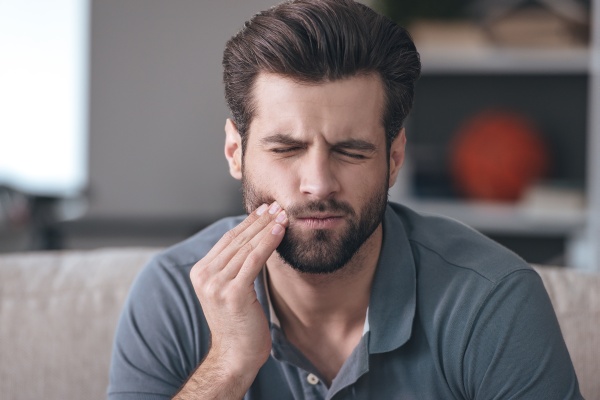
While the coronavirus rages on, emergency dentistry is still in business. Of course, no one wants to deal with a dental emergency. It is nice to know help is available to solve many issues. Still, if you can follow some basic guidelines, you can maintain good oral wellness. This will limit your risk of exposure to COVID-19 as well.
Types of dental emergencies
Many places throughout the world have postponed elective medical procedures during the COVID-19 pandemic. Similarly, locations across the globe are only allowing emergency dentistry offices to stay open. Meanwhile, general dentistry practices are closed. Dentists will continue to see patients who are experiencing swelling of the gums and jaw. Patients who break or lose teeth can also contact the emergency dentist for an appointment. Also, people who have severe toothaches should seek treatment. Putting off these issues can lead to infection as well as tooth and bone loss.
Be diligent about oral hygiene
Now, perhaps more than ever, patients should keep up on good oral health habits. People of all ages should brush at least twice a day, preferably in the morning and before retiring to bed for the day. Daily flossing is also critical. These activities will help keep cavities at bay. Brushing and flossing will eliminate plaque and tartar buildup. These actions can prevent bacteria from forming between teeth and on the gumline.
Take care of mouth appliances and other treatment items
Normally, emergency dentistry offices will see patients who have broken their crowns, veneers and other restorative work. Ignoring these needs can be painful and may increase the chances of the patient getting an infection. Patients with dentures who break these apparatuses should call the emergency dentist right away. The dentist can fit the patient with a temporary set of dentures before a new permanent one is ready.
Proper care and maintenance of these items is essential. Avoiding hard foods such as ice, popcorn and candy will reduce the risks of breaking them. As for dentures, daily rinsing, soaking and brushing will help preserve the appliances. When it comes to removable apparatuses, patients should secure them carefully when not using them.
Wear the right gear for the right activities
Fortunately, the coronavirus pandemic has required people to avoid getting outside and exercising. Many physical activities can help people maintain physical and emotional health. This is especially true during this time. People with mouth appliances should wear mouthguards when playing sports, biking or riding a bike. Being cautious and following safety rules will also help avoid emergency dentistry.
Emergency dentistry is here to help if you need it
You should not hesitate to call your dentist if an immediate dental need arises. Offices are taking all prudent precautions during the pandemic. Still, you can have peace of mind and limit your risks of virus exposure. It is good to stay away from the dentist’s office during these times of limited out-of-home travel. Following these guidelines are good ways to maintain oral health. If you have questions about when you should seek dental care, speak with your dentist today.
Request an appointment here: https://hemetdentalcenter.com or call Hemet Dental Center: Brian Stiewel DDS, INC. at (951) 707-4366 for an appointment in our Hemet office.
Check out what others are saying about our services on Yelp: Read our Yelp reviews.
Recent Posts
A cosmetic dentist can help create a smile you will be proud of, whether you are suffering from chipped teeth, stains, gaps, or poorly aligned teeth that are detracting from your smile's appearance. Most people have multiple dental issues that affect the aesthetics of their teeth, requiring a comprehensive treatment plan to address.Cosmetic dentists are…
Your cosmetic dentist can transform your appearance by enhancing your smile. You may be able to get these treatments from your general dentist. But a dentist who focuses on cosmetic dental treatments can deliver them with more detail. The following are the common procedures your cosmetic dentist can perform.This treatment is also called cosmetic bonding.…
Research shows that the demand for a cosmetic dentist’s services is increasing every year. The goal is to improve one’s smile. This dental care provider can address many cosmetic dental problems. Knowing the top services offered by a cosmetic dentist can help you make informed decisions on your next dental appointment.Teeth whitening is a quick…
Searching "emergency dentist near me" is the best course of action when sudden dental trauma or intense pain makes it impossible to function normally. Dental crises range from dull aches that suddenly sharpen to significant physical injuries that compromise the appearance and function of the smile. Identifying the specific signs of a true dental emergency…