Scaling and Root Planing to Remove Plaque and Tartar
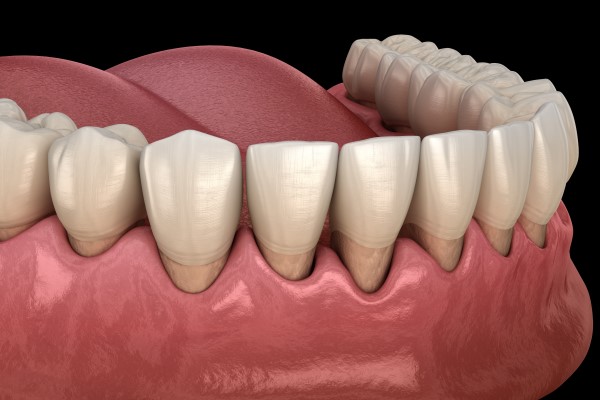
Also known as dental deep cleaning, scaling and root planing is a process used by dentists to remove plaque and tartar from the teeth. Sometimes that plaque can build up on the root of the tooth beneath the gumline, and a deep cleaning becomes necessary to get it out. Understanding how plaque negatively impacts teeth and overall oral health can motivate patients to keep up on good oral hygiene practices.
Why does plaque need to be removed?
Plaque is a clear or yellowish substance that forms a layer around teeth throughout the day. It contains bacteria that release acids that are toxic to the teeth and gums. Failing to brush twice per day allows plaque to build up, and this accumulation can often lead to many health problems. Deep cleaning is necessary when plaque forms beneath the gumline where a toothbrush cannot reach.
Cavities
When plaque rests for too long on a tooth, the bacteria contained in it start to attack the enamel — the protective outer layer of the tooth. Enamel is the hardest part of the human body, but it is not indestructible and can be gradually worn down. Once the toxins break through the enamel, they continue to destroy the inner layers of the tooth, creating cavities that can cause irritation and pain.
Gum disease
Bacteria in plaque can also attack the gums, causing inflammation, redness, sensitivity, and bleeding that are indicators of gingivitis, which is the first stage of gum disease. As plaque hardens and turns into tartar, it creates a protective barrier around the bacteria. If the damage continues unchecked, the gums start to recede from the tooth, and the infection becomes periodontitis, a disease that can only be reversed through dental intervention.
Bone and teeth loss
When the acid works deeper into the gums, it starts to destroy the tissue and ligaments holding teeth in place, reaching as far as the jawbone. As this valuable tissue and bone decay, teeth are no longer properly anchored. Patients with advanced periodontitis risk losing multiple teeth if the condition is left untreated.
How does a deep cleaning remove plaque?
Deep cleaning uses scaling and root planing to scrape plaque off the tooth. A dentist makes use of specialized hand instruments that reach beneath the gums to large pockets infected with plaque and tartar. The procedure normally takes at least two appointments, one for cleaning each side of the mouth. It may take two hours per appointment to completely remove plaque, but some cases occasionally require more time.
Conclusion
Teeth and gums that have undergone scaling and root planing will show signs of healing and recovery in the weeks that follow. More appointments may be necessary to keep the mouth healthy, but patients should be encouraged to return after seeing the positive results. Individuals can aid the healing process and maintain good oral health by brushing and flossing frequently. Keeping teeth plaque-free today can ensure a healthier smile and bite tomorrow.
Request an appointment here: https://hemetdentalcenter.com or call Hemet Dental Center: Brian Stiewel DDS, INC. at (951) 707-4366 for an appointment in our Hemet office.
Check out what others are saying about our dental services on Yelp: Scaling and Root Planing in Hemet, CA.
Recent Posts
Your cosmetic dentist can transform your appearance by enhancing your smile. You may be able to get these treatments from your general dentist. But a dentist who focuses on cosmetic dental treatments can deliver them with more detail. The following are the common procedures your cosmetic dentist can perform.This treatment is also called cosmetic bonding.…
Research shows that the demand for a cosmetic dentist’s services is increasing every year. The goal is to improve one’s smile. This dental care provider can address many cosmetic dental problems. Knowing the top services offered by a cosmetic dentist can help you make informed decisions on your next dental appointment.Teeth whitening is a quick…
Searching "emergency dentist near me" is the best course of action when sudden dental trauma or intense pain makes it impossible to function normally. Dental crises range from dull aches that suddenly sharpen to significant physical injuries that compromise the appearance and function of the smile. Identifying the specific signs of a true dental emergency…
Your cosmetic dentist can treat your teeth with aesthetic materials. Research reveals that many people prefer tooth-colored fillings for any dental repair. The general dentist uses the same material to keep cavities at bay. Knowing how a cosmetic dentist restores teeth with tooth-colored fillings can help prepare you for your upcoming treatment.A cosmetic dentist can…