How to Fight Gingivitis and Gum Disease With Good Oral Hygiene
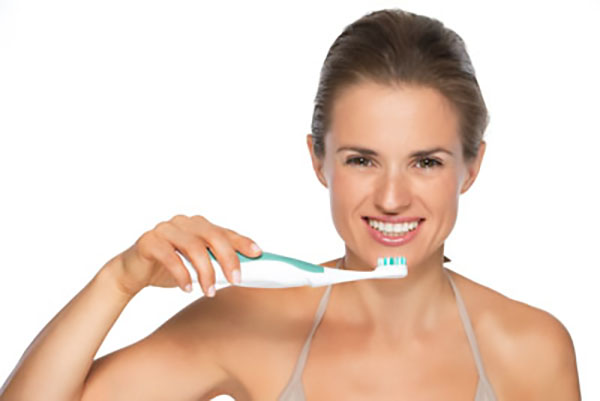
Gum disease can result in severe problems, including tooth and bone loss, as well as the need for a gum graft. Gingivitis is the first stage of gum disease and it usually causes inflammation in the soft tissues, which may appear red or swollen. Gingivitis is relatively easy to prevent through good oral hygiene practices. However, once it passes this stage, significant periodontal work may be required, which is why it is so important to understand how to practice good oral hygiene.
Ways to fight gum disease and gingivitis with good oral hygiene
Outlined below are a few oral hygiene tips that can fight off gum disease and gingivitis.
Brush at least twice a day
One of the best ways to prevent gum disease is by brushing the teeth at least twice a day, if not after every meal. When tooth brushing takes place, it is also important to brush along the gum lines, where the teeth meet the gums. The gum lines are the breeding grounds for bacterial growth, which is typically the result of left behind food.
Dentists recommend that patients use a soft-bristled toothbrush and a toothpaste containing low levels of fluoride. Combined together, this can remove food particles, which turn into plaque or bacteria. Once plaque and bacteria are removed from the gum lines, there is less of a risk of gum disease or gingivitis developing.
Floss daily
Another important oral hygiene practice is to floss daily. Flossing should be done at least once a day, if not twice. Dentists recommend gently flossing in between each tooth to ensure that food is not left behind. When food does get stuck or left in between teeth, it can affect the gums. Long-term, these food particles may turn into bacteria, which causes plaque and tartar to form. Plaque and tartar are responsible for the development of gum disease and gingivitis.
Rinse with mouthwash or saltwater
A lot of people skip using mouthwash or rinsing with salt water; however, it is extremely helpful when it comes to preventing gum disease from developing. Rinsing can help clear out hard-to-reach areas in the mouth that may not be accessible through the use of floss or a toothbrush. Saltwater helps to cleanse the mouth of bacteria, while mouthwashes can kill any present bacteria. Additionally, these can both be used to dislodge left behind food particles that may be stuck. Dislodging is important so that the gumlines do not become affected, which could result in gum disease.
Saltwater can be used every day, multiple times a day, while mouthwash is typically recommended only a few times a week. Most mouthwashes contain alcohol, which can actually be irritating to the mouth if used too frequently.
Learn more today!
It can be difficult to fight off gum disease and gingivitis; however, through good oral hygiene, patients of all ages can maintain healthy gums. Additionally, working with a dentist to better understand gum disease prevention is a good place to start. Reach out today to learn more or to ask questions!
Request an appointment here: https://hemetdentalcenter.com or call Hemet Dental Center: Brian Stiewel DDS, INC. at (951) 707-4366 for an appointment in our Hemet office.
Check out what others are saying about our services on Yelp: Read our Yelp reviews.
Recent Posts
A cosmetic dentist can help create a smile you will be proud of, whether you are suffering from chipped teeth, stains, gaps, or poorly aligned teeth that are detracting from your smile's appearance. Most people have multiple dental issues that affect the aesthetics of their teeth, requiring a comprehensive treatment plan to address.Cosmetic dentists are…
Your cosmetic dentist can transform your appearance by enhancing your smile. You may be able to get these treatments from your general dentist. But a dentist who focuses on cosmetic dental treatments can deliver them with more detail. The following are the common procedures your cosmetic dentist can perform.This treatment is also called cosmetic bonding.…
Research shows that the demand for a cosmetic dentist’s services is increasing every year. The goal is to improve one’s smile. This dental care provider can address many cosmetic dental problems. Knowing the top services offered by a cosmetic dentist can help you make informed decisions on your next dental appointment.Teeth whitening is a quick…
Searching "emergency dentist near me" is the best course of action when sudden dental trauma or intense pain makes it impossible to function normally. Dental crises range from dull aches that suddenly sharpen to significant physical injuries that compromise the appearance and function of the smile. Identifying the specific signs of a true dental emergency…