How Is a Root Canal Performed?
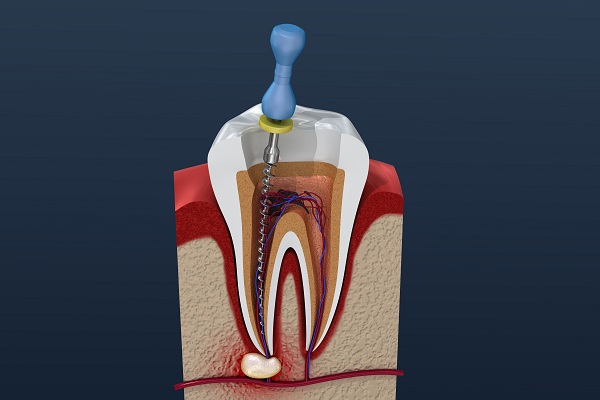
Finding out you need a root canal may cause some nervousness and anxiety. This procedure is not something people look forward to. However, your dentist will have the knowledge and training to do it correctly and relieve the pain and discomfort you feel. It can also give you some peace of mind to know how this procedure works. In a single visit, your dentist can restore your oral health.
Conditions that require a root canal
Most people are familiar with the concept of this procedure, but some do not realize when it needs to take place. Often, the dentist will perform one when the patient has an abscessed tooth. This happens when bacteria cause an infection deep in the tooth. Severe cavities that are too large for a filling to repair may require this process as well. Patients who come to the dentist with a broken or cracked tooth may also need one.
The evaluation
Some patients may suspect they need a root canal because of intense tooth pain. The general dentist will confirm this need by examining the patient. The dentist will take X-rays to determine the extent of the problem and whether a root canal or filling will ease the pain. After recommending this procedure, the dentist will explain what the patient can expect, including the recovery.
Preparing the patient
When it is time for the root canal, the patient sits in the dental chair, and the dentist uses a local anesthetic to numb the affected area. This should block out any pain the patient would feel and helps them feel more comfortable. The dentist will place rubber dams around the tooth to keep it dry. Next, the dentist drills into the tooth in order to reach the pulp.
Removing the pulp and cleaning the area
The dentist will then remove the pulp, the portion of the tooth that contains nerves and blood vessels. Using a dental tool, the dentist then scrapes the sides of the canal to remove bacteria. Using a saline solution or other liquid, the dentist will then flush out any other debris in the canal. A disinfectant or medication will also be used to kill any leftover infection in the tooth.
The finishing touch
The root canal procedure ends with the dentist filling the hole and sealing it. This prevents bacteria from entering and causing more infection. It will also help stave off decay. The dentist may place a temporary crown over the affected tooth and have the patient return later when the permanent crown is ready. Some dentists begin preparing the crown ahead of time, so it is ready right after the root canal.
Know what is in store for you
Though getting a root canal can be intimidating, there is less pain than many people think. It can also calm your nerves to understand the step-by-step process. The good news is that this process is effective at cleaning infected teeth and protecting them from additional damage. If you have a severe toothache or swelling in your mouth, call your dentist to see what the next steps should be.
Request an appointment here: https://hemetdentalcenter.com or call Hemet Dental Center: Brian Stiewel DDS, INC. at (951) 707-4366 for an appointment in our Hemet office.
Check out what others are saying about our services on Yelp: Read our Yelp reviews.
Recent Posts
Research shows that the demand for a cosmetic dentist’s services is increasing every year. The goal is to improve one’s smile. This dental care provider can address many cosmetic dental problems. Knowing the top services offered by a cosmetic dentist can help you make informed decisions on your next dental appointment.Teeth whitening is a quick…
Searching "emergency dentist near me" is the best course of action when sudden dental trauma or intense pain makes it impossible to function normally. Dental crises range from dull aches that suddenly sharpen to significant physical injuries that compromise the appearance and function of the smile. Identifying the specific signs of a true dental emergency…
Your cosmetic dentist can treat your teeth with aesthetic materials. Research reveals that many people prefer tooth-colored fillings for any dental repair. The general dentist uses the same material to keep cavities at bay. Knowing how a cosmetic dentist restores teeth with tooth-colored fillings can help prepare you for your upcoming treatment.A cosmetic dentist can…
When it comes to improving the appearance of your smile, choosing the right cosmetic dentist can make all the difference. A great cosmetic dentist blends artistic skill with dental expertise, creating results that look natural and complement your overall facial features. Understanding what to look for can help you feel confident in your choice and…