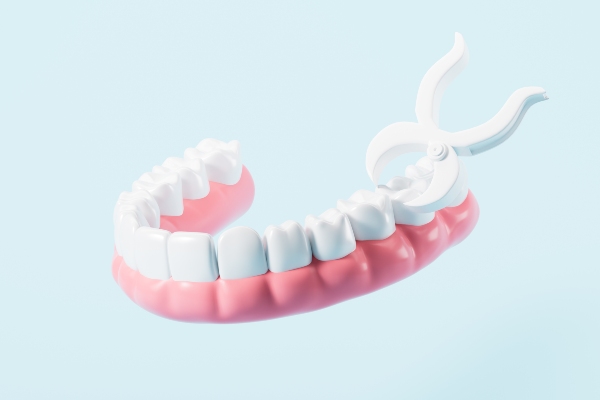
Many conditions can result in a , all of which boil down to the state of the tooth. There are two main types: simple and surgical. Take a closer look at each option and why we may recommend them.
Who are candidates for a tooth extraction?
The goal of any general dentist is to preserve the natural teeth for as long as possible. Unlike other bones that receive damage, they can not revert to their original function, strength, and appearance with a cast and time. Also, when a tooth is damaged in any form, it creates a domino effect throughout the mouth. It can cause malocclusions, gum tissue deterioration, jawbone deterioration, and even how an individual speaks and eats.
A tooth receives damage due to disease, infection, decay, or trauma. When one has gum disease or an infection, it can eat away at the structure surrounding the tooth and infect the inner structures. Once the inner structure is compromised and a root canal cannot save it, the patient will need a tooth extraction.
The dentist will need to manually remove decay that has surpassed the ability to be reversed through better oral hygiene practices. This means removing layers of the tooth. However, if the decay is so severe that all layers of the tooth are compromised and it has died, a tooth extraction is necessary. A dead tooth means there is no blood flow in the tooth, and the patient feels no sensation whatsoever. It may also change colors from white or yellow to brown or black.
Trauma to the mouth often results in fractures. There are many types of fractures one can experience. However, an extraction will be necessary if the tooth is completely split or has a vertical tooth fracture.
Simple tooth extractions
A simple tooth extraction requires no incisions. It is reserved for those whose problem tooth is visible in the mouth. The dentist will provide a local anesthetic to prevent discomfort. This may last a few hours after the procedure but does not cause mental impairments. After numbing, they will use special tools called an elevator and forceps for removal. The elevator loosens the tooth while the forceps grasp it. The dentist will then wiggle the tooth back and forth until it is free from the socket. Usually, no stitches are necessary.
Surgical tooth extractions
A surgical tooth extraction is reserved for teeth that are not completely visible over the gum line or may be fractured. The dentist will start by numbing the patient with an anesthetic. They will need to make an incision in the gum line or connective tissue surrounding the tooth before following the same procedure steps as the simple tooth extraction. Given the nature of the procedure, the dentist may spend more time making sure they removed all pieces that may have broken off in the socket. They will finish by suturing the area with dissolvable or traditional stitches.
Preserve your oral health
Tooth extraction helps preserve overall oral health. If you have issues with your teeth, whether they are sensitive, decayed, or diseased, contact our office to determine the most effective treatment plan.
or call Hemet Dental Center: Brian Stiewel DDS, INC. at 951-707-4366 for an appointment in our Hemet office.
Recent Posts
Tooth extraction is a common dental procedure where a dentist removes a tooth from its socket in the jawbone. While it may seem intimidating, these procedures are often necessary to maintain oral health and prevent further complications. Here are the two types of tooth extractions that dentists use to improve your smile and overall health.Simple…
Tooth extractions are common dental procedures performed by general dentists. They can be a result of decay, disease, or a fracture. While the dentist may introduce it to preserve oral health, it is important to know what to expect during and after the operation.There are two types of tooth extractions, namely simple and surgical. Most…
General dentists, like any dental professional, strive to help patients keep all of their natural teeth. However, tooth extraction may be the only solution when gum disease becomes severe. A dentist can perform this oral health-saving procedure and recommend options to restore fullness to a patient's smile.Gum disease, or periodontal disease, is an oral health…