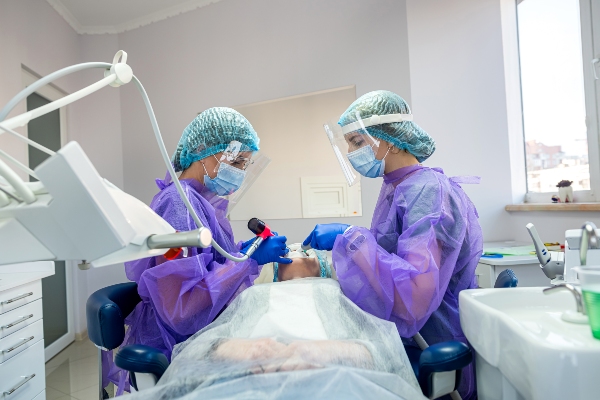
can apply to an impacted tooth. This tooth can cause pain and other dental problems. Your dentist may suggest the removal of this tooth after a thorough assessment. Here are the details to consider if your impacted tooth needs extraction.
When it is necessary to remove the impacted tooth
The main goal of dentists is to keep teeth intact. They will only remove teeth if it is necessary for the patient’s health. But in some cases, an impacted tooth needs a tooth extraction. The surgery may be complicated when it comes to removing this type of tooth.
An impacted tooth that is not a wisdom tooth may need extraction if it is causing problems with its neighboring teeth. The dentist may recommend a tooth replacement after the surgery. Dental implants, dentures, or bridges are among the options available. An impacted wisdom tooth that needs extraction will not need a replacement.
A tooth extraction is necessary if the impacted tooth has severe decay or damage that dental restorations cannot correct. A decayed impacted tooth can affect the roots and pulp. This situation can cause severe pain. Overcrowding can also be a reason for removing this tooth. The patient can then have more dental space for correcting the alignment of the remaining teeth.
The process
Dentists often use a local anesthetic for this procedure. Patients with dental anxiety will be under general anesthesia. The dentist will cut through the gums once the anesthesia takes effect. Cutting the tooth into smaller pieces will come next. This will make the tooth extraction easier. In some cases, the dentist may cut away some of the bone around the tooth.
After the tooth extraction
Closing the wound with stitches can help control the bleeding and encourage healing. Gause pads can help with the bleeding. If general anesthesia was the chosen form of sedation, further monitoring and aftercare will ensure that there are no side effects from the surgery. It is strongly recommended that a friend or relative accompany the patient to see them home.
The dentist will prescribe a pain reliever for the patient. The patient must follow instructions while taking this medication. Resting for at least a day is necessary. Apply an ice pack on the cheek near the surgical site to reduce swelling. Tell the dentist if there is bleeding after the first day.
Eating soft or liquid foods will help prevent accidental injury from chewing. This will reduce the pain. Below are some of the ideal foods to eat:
- Ice cream
- Apple sauce
- Pudding
- Smoothies
- Yogurt
- Mashed potatoes
- Blended soups
- Broths
Cold foods can decrease the swelling and pain. Smoothies and soups can help shorten recovery time. Start eating normal foods once there is significant healing. Semi-solid foods will be the next types of foods to consider.
Your dentist will decide if your impacted tooth needs a tooth extraction
You need to discuss your symptoms and the actual condition of the impacted tooth with your dentist. Scans and a physical dental inspection can help gather enough information. A tooth extraction will apply if the tooth is causing infection in your mouth. Working with your dentist can help you heal faster and avoid complications at the same time.
or call Hemet Dental Center: Brian Stiewel DDS, INC. at 951-707-4366 for an appointment in our Hemet office.
Recent Posts
Tooth extraction is a common dental procedure where a dentist removes a tooth from its socket in the jawbone. While it may seem intimidating, these procedures are often necessary to maintain oral health and prevent further complications. Here are the two types of tooth extractions that dentists use to improve your smile and overall health.Simple…
Tooth extractions are common dental procedures performed by general dentists. They can be a result of decay, disease, or a fracture. While the dentist may introduce it to preserve oral health, it is important to know what to expect during and after the operation.There are two types of tooth extractions, namely simple and surgical. Most…
General dentists, like any dental professional, strive to help patients keep all of their natural teeth. However, tooth extraction may be the only solution when gum disease becomes severe. A dentist can perform this oral health-saving procedure and recommend options to restore fullness to a patient's smile.Gum disease, or periodontal disease, is an oral health…