Dental Restorations: Crowns, Onlays, Bridges, and More

A dental restoration is a treatment that rebuilds or replaces damaged tooth structure to restore full function and aesthetics. Whether addressing decay, fractures, or missing teeth, a dental restoration supports long-term oral health and helps preserve the natural smile. From simple fillings to more advanced solutions like bridges and onlays, each type of restoration offers specific benefits based on the condition of the tooth and surrounding structures.
Benefits of modern dental restorations
Today's dental restoration techniques combine advanced materials, precise imaging, and conservative approaches to preserve as much natural tooth structure as possible. Patients benefit from:
- Improved function for chewing and speaking
- Long-lasting solutions that resist wear and staining
- Enhanced aesthetics with lifelike materials
- Protection against further decay or damage
Dentists can complete many dental restorations in one to two visits, depending on the complexity and materials necessary. Some practices offer digital impressions and chairside milling to allow for faster turnaround and greater comfort during the procedure.
Types of dental restorations
Crowns: Full-coverage protection
A dental crown completely encases a tooth, offering protection when the natural structure can no longer support normal function. Dentists often recommend a crown for teeth weakened by decay, trauma, or large fillings. Crowns may also serve as the final step following a root canal or as a component of a dental implant.
Crafted from materials such as porcelain, zirconia, resin, or metal alloys, dental crowns blend durability with aesthetics. Custom shading and shaping allow modern crowns to blend seamlessly with surrounding teeth. Once the dentist bonds the dental restoration into place, it will restore the tooth's strength, alignment, and protection against further damage or infection.
Composite fillings: Tooth-colored repair
For small to moderate cavities, composite fillings offer an effective and discreet solution. These restorations bond directly to enamel and blend naturally with the tooth. Composite fillings require less removal of healthy structure compared to older amalgam options, making them a more conservative approach to decay treatment.
Fillings also play a preventive role, sealing off areas where bacteria could enter and cause further damage. When applied skillfully, a composite dental restoration can last for years with proper care and routine dental visits.
Onlays and inlays: Corrective alternatives
When a tooth requires more support than a filling but does not need a full crown, an onlay or inlay may provide the ideal balance. These restorations are custom-fabricated to fit precisely into or onto the damaged portion of the tooth. While they are similar in being classified as indirect dental restorations, there are differences. Inlays sit within the tooth's biting surface and address damage between the cusps. Onlays extend over one or more cusps to cover a large area while preserving the remaining natural structure.
These types of dental restorations typically comprise ceramic or composite resin materials, offering strength and a natural appearance. Since they are indirect restorations, the dentist must utilize an off-site lab to fabricate the materials to fit into or onto the damaged tooth precisely. This precision helps reduce stress on the surrounding enamel and prolongs the life of the natural tooth.
Bridges: Filling the gap
A dental bridge replaces one or more missing teeth by anchoring an artificial tooth (pontic) between two crowns or dental implants. Traditional bridges use natural teeth on either side of the gap as supports, while implant-supported bridges connect directly to titanium posts embedded in the jawbone.
Bridges help restore chewing function, speech clarity, and smile aesthetics. In addition, they prevent surrounding teeth from shifting into empty spaces, which could lead to bite problems and further tooth loss. A well-placed bridge creates a seamless appearance and supports long-term oral stability.
Dental implants
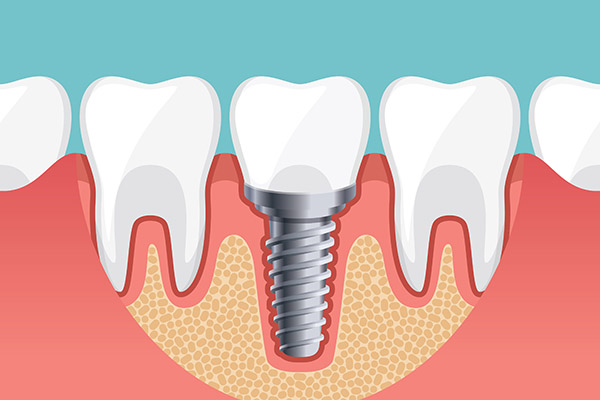
Though not a dental restoration on their own, dental implants provide a solid foundation for a restoration. An implant consists of a titanium post that the dentist inserts into the patient's jawbone to mimic the root of a natural tooth. Over time, the bone fuses with the implant, creating a stable base for restoration. Dental implants support single crowns, multi-tooth bridges, and even full-arch prosthetics. This option offers a permanent solution for tooth replacement and helps preserve bone structure and facial appearance.
Restore your smile with a dental restoration
Hemet Dental Center: Brian Stiewel DDS, INC. offers various dental restorations to support patients' oral health, function, and appearance. Whether using crowns to strengthen compromised teeth, bridges to replace missing ones, or onlays to preserve healthy enamel, these solutions are designed with both durability and aesthetics in mind. If you have a damaged or missing tooth, do not hesitate to contact our Hemet office and schedule an appointment.
Request an appointment here: https://hemetdentalcenter.com or call Hemet Dental Center: Brian Stiewel DDS, INC. at (951) 707-4366 for an appointment in our Hemet office.
Check out what others are saying about our dental services on Yelp: Dental Restorations in Hemet, CA.
Recent Posts
As you age, your teeth face challenges from numerous issues. Daily wear from chewing food or stress-related grinding, gum problems from bacteria build-up, and tooth damage from the foods and drinks you consume all play a role in the deterioration of your smile.You and your dentist share a common goal: caring for and preserving your…
At some time or another, most individuals will need dental restoration. Restoring teeth is necessary when the teeth are in poor condition due to decay or a lack of proper oral care. Modern dentistry offers a wide variety of options for dental restorations.There are so many fantastic alternatives when it comes to dental restorations that…
Dental restorations offer ways to preserve your teeth and take care of your oral health even when signs of decay begin to occur. A problem might start out as a very small cavity, but if you have not kept up with regular dental appointments and did not notice any pain, it is possible you may…
If you have ever gotten a filling or watched someone put in their dentures, you are familiar with the world of dental restorations. Although restorative dentistry focuses primarily on tooth and gum preservation, there is considerable overlap between dental and jaw health. As a result, dental restorations play a significant role in jaw restoration.To better…