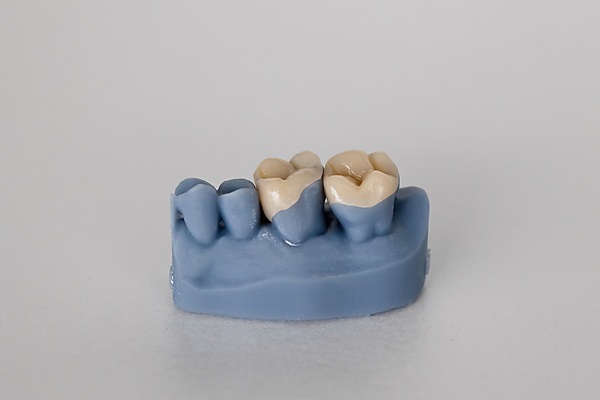
A dental onlay is a conservative dental restoration designed to repair damage or decay in the tooth while preserving the maximum amount of natural structure. Unlike crowns, which cover the entire tooth, a dental onlay fits snugly over the affected area, restoring function and appearance. This approach offers significant benefits for patients looking to maintain their natural tooth integrity, especially when a filling or crown may not be a viable solution. Understanding the advantages of this restoration can help patients prepare for an upcoming consultation or appointment.
What is a dental onlay?
A dental onlay is a type of indirect restoration custom-made to fit a damaged tooth's contours. Dental practitioners typically use it to treat larger cavities or tooth damage that extends beyond the normal capabilities of a filling but does not require the full coverage of a crown. Dental onlays comprise durable materials such as porcelain, composite resin, or gold, offering strength and aesthetic appeal. The practitioner bonds the onlay to the tooth, creating a seamless, natural-looking result.
Unlike traditional fillings, which are molded directly into the cavity, onlays require an offsite dental laboratory for fabrication based on precise impressions of the tooth. This ensures a highly accurate fit and long-lasting durability. Dental onlays are particularly effective for restoring teeth that have sustained moderate decay or damage, especially in areas that need added strength, such as the chewing surface of molars.
When is a dental onlay necessary?
Dental onlays are ideal for patients with moderate decay or damage that does not require the complete coverage of a crown. Practitioners often use them when:
- A large portion of the tooth is decayed, but the remaining structure is strong enough to support the restoration.
- A filling is no longer sufficient to restore the tooth due to the size of the cavity.
- A tooth has cracked or fractured and needs reinforcement without completely covering the tooth.
A dental onlay is also an excellent choice for teeth weakened by prior dental work, such as fillings, and needs additional support to prevent further damage.
What to expect during the dental onlay procedure
The procedure for placing a dental onlay typically involves two visits to the practitioner, usually a general dentist, cosmetic dentist, or oral surgeon. During the first visit, the practitioner will clean and prepare the tooth, removing any decayed or damaged material. The dental team will take impressions of the tooth to create a custom onlay that fits snugly. The practitioner may place a temporary filling or crown to protect the tooth while the dental laboratory crafts the onlay.
During the second visit, the practitioner will remove the temporary restoration and carefully test the fit of the dental onlay. Minor adjustments are easy to perform at this stage, but if the onlay is too ill-fitting, the practitioner will return it to the lab—a rare task. Once the patient and practitioner are satisfied with the bite and fit, they will bond the restoration in place using dental cement. Finishing the appointment, the practitioner will polish the onlay to match the natural contours and appearance of the surrounding teeth.
Advantages of dental onlays
Dental onlays host significant advantages aside from their minimally invasive nature. The most notable include:
Preservation of natural tooth structure
One of the key benefits of a dental onlay is its ability to preserve the tooth's natural structure. Unlike crowns, which may require significant removal of healthy tooth material to accommodate the restoration, onlays are minimally invasive. Onlays only require removing the decayed or damaged portion of the tooth, leaving the healthy portions largely intact,
Durability and strength
Dental onlays comprise highly durable materials that can withstand the forces of chewing and biting. Porcelain and gold, in particular, offer exceptional strength, making them suitable for use on molars, which endure significant pressure during chewing. The custom-fit design of a dental onlay ensures that it bonds securely to the tooth, providing long-term durability and resistance to wear and tear.
Aesthetic appeal
Porcelain and composite resin dental onlays can be color-matched to the tooth's natural shade, offering excellent aesthetic results. This is especially important for teeth visible when smiling or speaking. Unlike gold or amalgam fillings, dental onlays blend seamlessly with the natural tooth, making them an ideal solution for those seeking a discreet restoration.
Long-lasting solution
Dental onlays are known for their longevity. According to WebMD, they can last up to 30 years with proper care. The strong bond and durable materials ensure the onlay remains intact and functional over time, providing a reliable and long-lasting restoration.
Learn more about dental onlays
Dental onlays offer a conservative, effective, and aesthetically pleasing solution for restoring damaged or decayed teeth. Do you have questions about dental onlays? Contact Hemet Dental Center: Brian Stiewel DDS, INC. to learn more information or to schedule an appointment.
Request an appointment here: https://hemetdentalcenter.com or call Hemet Dental Center: Brian Stiewel DDS, INC. at (951) 707-4366 for an appointment in our Hemet office.
Check out what others are saying about our services on Yelp: Read our Yelp reviews.
Recent Posts
A cosmetic dentist can help create a smile you will be proud of, whether you are suffering from chipped teeth, stains, gaps, or poorly aligned teeth that are detracting from your smile's appearance. Most people have multiple dental issues that affect the aesthetics of their teeth, requiring a comprehensive treatment plan to address.Cosmetic dentists are…
Your cosmetic dentist can transform your appearance by enhancing your smile. You may be able to get these treatments from your general dentist. But a dentist who focuses on cosmetic dental treatments can deliver them with more detail. The following are the common procedures your cosmetic dentist can perform.This treatment is also called cosmetic bonding.…
Research shows that the demand for a cosmetic dentist’s services is increasing every year. The goal is to improve one’s smile. This dental care provider can address many cosmetic dental problems. Knowing the top services offered by a cosmetic dentist can help you make informed decisions on your next dental appointment.Teeth whitening is a quick…
Searching "emergency dentist near me" is the best course of action when sudden dental trauma or intense pain makes it impossible to function normally. Dental crises range from dull aches that suddenly sharpen to significant physical injuries that compromise the appearance and function of the smile. Identifying the specific signs of a true dental emergency…