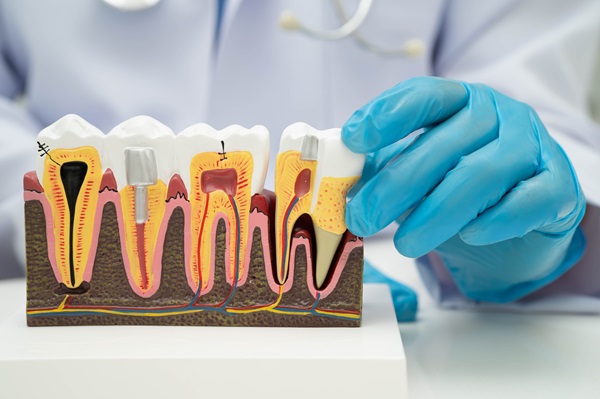
The term "root canal" often causes anxiety in patients. This fear is largely due to misconceptions surrounding this dental procedure. However, a root canal is an effective treatment that can relieve pain, save a natural tooth, and prevent further complications. By understanding the most common myths about root canals, patients can approach this treatment with confidence.
Myth #1: Root canals are extremely painful
One of the most prevalent myths about root canals is that the procedure is more painful than other dental procedures. However, a root canal is no more uncomfortable than other dental treatments, such as a dental filling. Local anesthesia allows patients to experience minimal discomfort, ensuring a more comfortable experience. Additionally, the pain associated with a root canal is typically due to the infection or inflammation within the damaged tooth, not the procedure itself. A root canal removes the damaged pulp, alleviating the cause of the pain.
Myth #2: A root canal requires several visits to the dentist
While some complex cases may require more than one visit, many root canal treatments can be completed in one appointment. Advancements in dental technology have streamlined the procedure, allowing for faster and more efficient care. A general dentist may recommend a follow-up appointment in cases with severe infection or additional complications. However, a single appointment is often enough for those who need a root canal.
Myth #3: Tooth extraction is better than a root canal
Many patients assume that removing a damaged tooth is simpler than a root canal. However, dentists typically look at tooth extraction as a last resort. Their priority is often to save a natural tooth, as it maintains the structure and alignment of the surrounding teeth. Extracted teeth can lead to other issues, such as shifting teeth, bone loss, and difficulty chewing.
A root canal allows patients to preserve their natural teeth while removing the source of infection or decay. In contrast, those who undergo tooth extraction may need extra procedures to replace the missing tooth, such as a dental implant or bridge. These options often cost more in the long term and require additional appointments. A root canal is often a more conservative and cost-effective option while preserving the patient's natural teeth and offering long-term oral health benefits.
Myth #4: Root canals are only necessary for tooth pain
While severe tooth pain is a common reason for patients to seek a root canal, it is not the only indicator that one is necessary. In some cases, patients may not experience pain at all yet still require a root canal due to an underlying infection or damage to the tooth. Dentists can detect these issues during routine exams using tools such as X-rays and visual examinations, identifying areas of decay or infection before they get worse.
Early treatment through a root canal can prevent complications, even if the patient is not experiencing any dental pain. Regular dental check-ups also allow for early diagnosis, allowing patients to treat issues before they escalate and require more extensive treatment.
Myth #5: The results from a root canal do not last long
Another common misconception is that a root canal is only a temporary solution. In truth, with proper care, a root canal-treated tooth can last a lifetime. After the procedure, the tooth is often restored with a crown or filling to provide strength and protection. Maintaining good oral hygiene, attending regular dental check-ups, and promptly addressing additional dental issues contribute to a root canal's long-term success.
Studies show root canals have a high success rate, with many treated teeth remaining functional and healthy for decades. The procedure is designed to be a permanent solution, allowing patients to preserve their natural teeth and avoid further complications.
Myth #6: Root canals make teeth brittle and prone to breaking
While it is true that a tooth that has undergone a root canal can lose some of its natural strength, dental restoration techniques help mitigate this. A tooth that has received a root canal is typically fitted with a crown or other restorative materials to reinforce its structure. These protective measures significantly reduce the likelihood of the tooth breaking or becoming fragile over time.
Dentists use advanced materials to restore the strength of the patient's teeth, ensuring they can withstand regular biting and chewing forces. By following proper oral care practices and having regular dental exams, patients can maintain strong, functional teeth that support overall dental health.
Root canals protect your long-term health
Dispelling the myths around root canals empowers patients to make informed decisions that protect their long-term oral and overall health. Root canals are essential dental procedures that help patients maintain a healthy, confident smile. For more information, schedule a consultation visit today at Hemet Dental Center: Brian Stiewel DDS, INC..
Request an appointment here: https://hemetdentalcenter.com or call Hemet Dental Center: Brian Stiewel DDS, INC. at (951) 707-4366 for an appointment in our Hemet office.
Check out what others are saying about our dental services on Yelp: Root Canal Treatment in Hemet, CA.
Recent Posts
Root canal treatment might be recommended if you have a damaged, decayed, or infected tooth. The procedure is usually recommended when the damage to a tooth leaves its pulp chamber compromised. This is the sealed-off, innermost layer of a tooth that houses its blood vessels and nerves. The pulp chamber of a tooth being opened…
Decaying teeth do not ever stop decaying without treatment. A root canal treatment becomes necessary to save the tooth, especially as an infected tooth can lead to significant pain. Treatment is painless. The only discomfort you will feel is at the end after the dentist finishes the treatment.From local anesthesia to dental dams, it is…
Root canal treatment is often the last course of action to save teeth that have been severely damaged or infected. A tooth might become damaged due to trauma to the face or tooth decay destroying its structures.The procedure has a bad reputation as one of the most painful treatments performed by dentists, but patients usually…
Your dentist will recommend a root canal treatment to help you keep your damaged tooth. A natural tooth will always be better than a synthetic one. This treatment will restore the appearance of your tooth. If you want to know how a root canal treatment can maintain the natural look of your affected tooth, here…