Can Dental Implants Replace Front Teeth?
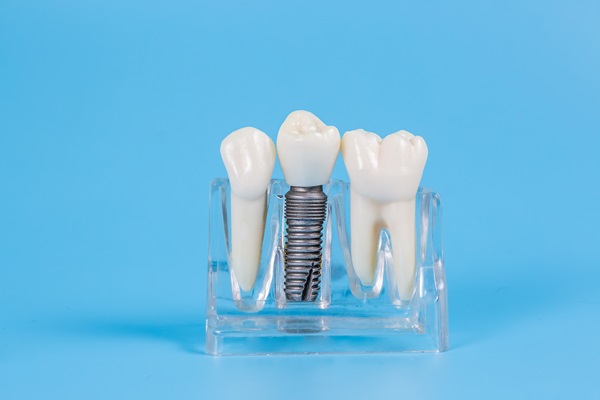
Dental implants have emerged as the standard for replacing missing teeth in general dentistry. These artificial teeth roots can last a lifetime once placed in the jaw. About 5 million new implants are placed each year.
Implants can be used to restore front teeth and any other type of teeth. Implants installed in the front of the mouth are less likely to fail after installation, since the front teeth deal with smaller bite forces than the teeth at the back of the mouth.
Replacing front teeth with dental implants
Replacing front teeth with implants is not different from replacing molars at the back of the mouth. The process starts with the dentist evaluating the patient to determine if implants are ideal for them. Placing implants requires oral surgery, which comes with risks like pain, inflammation, and infection. Ideal candidates for dental implants should be healthy enough to recover from surgical treatments.
Health issues like immune system deficiencies or dental problems like periodontal disease increase the risk of complications. Patients are carefully screened for such issues before being cleared for implants. Having a health issue that hinders the healing process does not automatically disqualify a patient, however. Each person is evaluated individually to determine if their health condition poses a significant risk to their recovery.
The thickness of the patient’s jaw is also evaluated when determining their eligibility for implants. Bone grafts might be recommended if the dentist finds that the patient’s jawbone is not thick enough for implants.
The patient’s lifestyle habits are also discussed during the consultation. Smoking, drinking, or using illicit drugs slows down recovery, so patients should be willing to give up such habits leading up to and right after the placement of their implants.
Surgery
The surgical placement of implants starts with the dentist injecting the patient with a local anesthetic. This dulls the area being worked on so the patient does not feel pain. An incision is made into gum tissues to reach the jawbone.
A hole is made using a dental drill, and the implant is placed in the hole. Bone tissues surrounding the implant hold it in place while it fuses with the bone over the next six months. This development is known as osseointegration, and it makes implants almost as stable as natural teeth.
The patient comes in for the second part of the treatment when osteointegration is complete. A crown or another restoration is attached to the implant to complete the treatment. The look and function of the lost tooth should be fully restored at this point. The patient is also cleared to return to their regular diet.
Frequently asked questions about dental implants
Let us take a look at the answers to some of the questions you might still have regarding dental implants:
1. Who is an ideal candidate for implants?
The ideal candidate for implants has decent overall health. They do not have general or dental health issues like immune system disorders or gum disease. Installing implants often requires making incisions into gum tissues, so the patient's ability to recover after the procedure is evaluated before clearing them. The thickness of the patient's jawbone is also evaluated since it needs to be wide enough to keep implants in place. Bone grafts are usually recommended if a patient does not have the jawbone thickness needed for implants. Lifestyle choices like smoking, drinking, or illicit drug use can also hinder a person's ability to recover.
2. What are implants made from?
Implants are typically made out of titanium, one of the world's strongest metals. Titanium is biocompatible, so most people do not have an adverse reaction to it. Implants can also be made out of zirconium.
3. How do I take care of implants?
That is one of the best things about implants; they do not need any special maintenance. Simply brushing and flossing like you have always done is enough to keep these oral prosthetics in good condition. Add regular visits to a dentist to ensure any issue that develops is detected and addressed early on.
4. How long does the process take?
Replacing a missing tooth with an implant can take up to six months. That is how long it takes for the implant to fuse with the jawbone, making it stable enough to serve as a base for a restoration.
Replace missing teeth with implants
Losing a tooth is never a fun experience, but with dental implants, you can get an artificial tooth that looks and feels natural. Give us a call or stop by our Hemet clinic to set up an appointment with our dentist.
Request an appointment here: https://hemetdentalcenter.com or call Hemet Dental Center: Brian Stiewel DDS, INC. at (951) 707-4366 for an appointment in our Hemet office.
Check out what others are saying about our dental services on Yelp: Dental Implants in Hemet, CA.
Recent Posts
Dentists have been using dental implants for decades. Many of these dental professionals consider these restorations the gold standard in tooth replacements. Getting implants may be the most rewarding procedure you could ever get. But some people wonder what implants have that natural teeth do not. If you want to know how dental implants compare…
A bone grafting procedure involves the restoration of lost jawbone, which is necessary before dental implant placement if the patient does not have enough healthy jawbone to support the implant long-term. This review discusses dental bone grafting for the purpose of restoring lost jawbone ahead of dental implant placement.Not every dental implants patient requires bone…
Not only does replacing missing teeth restore the smile’s appearance, but it also enhances oral health and helps preserve the jawbone. Dental implants are a reliable, durable solution for patients who require multiple tooth replacements, as they provide stability and a natural look and feel. There is more than one implant option available, with each…
Dental implants often beat out other tooth replacements due to their natural appearance and durability. Although getting them can be a lengthy process, many patients find it a worthwhile one. Proper preparation can contribute to a smooth experience and optimal results. Understanding each phase of the process, making necessary lifestyle adjustments, and following professional recommendations…