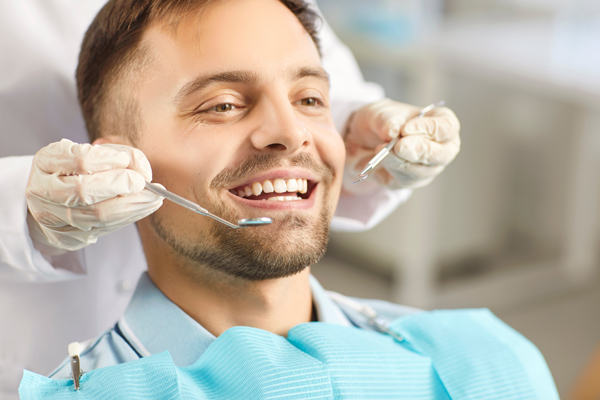
 Dental restorations have been used for thousands of years. In fact, a 2012 article published by The New York Times details the discovery of a 6,500-year-old human jawbone. Considered the earliest evidence of dental fillings, it had beeswax in one tooth, which researchers believe was to ease the pain of a crack. These days, restorations are much more advanced, but there are still things a dentist wants patients to know first.
Why you might need a dental restoration procedure
Restorative dental treatment restores function to the teeth, making it easier to chew and speak. In some cases, it also improves a person's self-esteem. There are several types of procedures, such as fillings, dentures, or implants. A dentist determines which type of procedure is right for the patient based on how severe the damage is, how many teeth are damaged, and the patient's overall health status.
What your dentist wants you to know about the procedures
Before a patient undergoes any type of dental procedure, it is important to understand some key points. Dentists typically provide a range of information during consultations, but it helps to have some information on hand even prior to the first appointment.
1. A procedure can be direct or indirect
A dentist may refer to a restorative dental procedure as direct or indirect. If treatment is direct, it means the repair was made inside the patient's mouth. When a person has a cavity and receives a dental filling to repair it, the dentist performs the procedure inside the mouth. Therefore, a filling is a direct restoration. On the other hand, dentures or dental implants are made outside of the patient's mouth with the help of computer designs and printers. Even though they are based on the patient's mouth, they are indirect restorations.
2. Results may vary
A common mistake that patients make when considering dental restorations is thinking that they will see the same results as internet models or their friends who have had excellent results. Naturally, a dentist will always work hard to ensure patients are happy with results, but many things factor into actual results. The shape of the patient's mouth and teeth, how severe the damage is, whether the patient takes care of the restorations well, and even which type of restoration the patient has all determine results. A good dentist will always be forthcoming and realistic during a consultation.
3. Patients need to take care of restorations
Patients need to take care of their restorations after their appointments. In the first few days, that means eating soft food, avoiding food or drink that is too hot or cold, resting, and taking medication according to the dentist's aftercare instructions. Once healed, the patient needs to brush and floss regularly and see the dentist at least once per year. Depending on the type of restoration, the dentist may also ask the patient to come in for a follow-up appointment to check on the healing process.
Conclusion
You do not need to live with broken or missing teeth. Talk to your dentist to see how dental restorations can help you improve your quality of life.
Request an appointment or call Hemet Dental Center: Brian Stiewel DDS, INC. at 951-707-4366 for an appointment in our Hemet office.
Recent Posts
A dental restoration is a treatment that rebuilds or replaces damaged tooth structure to restore full function and aesthetics. Whether addressing decay, fractures, or missing teeth, a dental restoration supports long-term oral health and helps preserve the natural smile. From simple fillings to more advanced solutions like bridges and onlays, each type of restoration offers…
As you age, your teeth face challenges from numerous issues. Daily wear from chewing food or stress-related grinding, gum problems from bacteria build-up, and tooth damage from the foods and drinks you consume all play a role in the deterioration of your smile.You and your dentist share a common goal: caring for and preserving your…
At some time or another, most individuals will need dental restoration. Restoring teeth is necessary when the teeth are in poor condition due to decay or a lack of proper oral care. Modern dentistry offers a wide variety of options for dental restorations.There are so many fantastic alternatives when it comes to dental restorations that…