Should I Get Dental Veneers for All My Teeth?
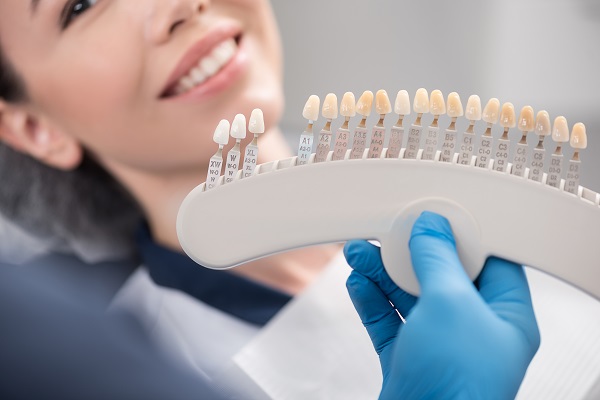
Dental veneers are ultra-thin shells that are cemented over the surfaces of teeth to correct dental issues. You can benefit from veneers if you do not like how your teeth look or your overall smile. Veneers can be a suitable option if you have teeth that are stained, discolored, chipped, broken, crooked, badly-aligned, oddly-shaped or with gaps. Read on to learn more about the teeth that you may need to cover with veneers.
Dental veneers
An increasing number of people are getting dental veneers to help fix dental issues. Veneers can help makeover smiles with beautifully shaped, aligned teeth. They also provide protective qualities and can prevent the need for extensive treatments. Regardless of the causes of unattractive teeth, veneers can solve most or even all of a person’s cosmetic dental problems.
Veneers for the teeth
A person does not have to cover each tooth with a veneer. Dental veneers are usually recommended for teeth that are problematic and sometimes the neighboring teeth. A person can decide to cover a single tooth or an entire set of teeth depending on one’s needs and even budget. A dentist can cover some teeth especially if the rest of the smile is okay. In such a case, veneers can be placed on only the problematic teeth.
A dentist can recommend the number of individual veneers a person needs. Their color and shape can be matched to the natural teeth that surround them. A large number of people often choose to cover the front teeth with veneers because they are the most visible ones. A patient may also decide to get full veneers that entirely cover the tooth or partial veneers that help cover only the damaged parts.
Veneers treatment
Over time, tooth enamel can become dulled or worn naturally or due to a genetic predisposition. Veneers can help correct smiles that have been affected by worn enamel. Wear and tear is a common problem that affects teeth. As people age, it is natural for the teeth to start to wear down. Aged teeth often have cracks, chips or an uneven appearance. Fortunately, veneers can restore the appearance of youthful, healthy teeth.
Uneven teeth can result from gnashing or grinding of teeth or through wear and tear. This can lead to cosmetic smile issues and bite problems. Some people are usually born with abnormal spacing between the teeth that often widens with age. Veneers can be used to fix uneven teeth and spacing issues. Sometimes, teeth whitening may not be able to fully correct tooth discoloration. In such cases, dental veneers can offer a simple, effective cosmetic solution.
Takeaway
Dental veneers can help fix a variety of dental issues including worn, uneven, discolored, spaced, cracked or chipped teeth. Veneers can help correct these problems and improve the appearance of your smile. Veneers are usually recommended for damaged teeth and in some cases the neighboring teeth. The number of dental veneers that you may need for your teeth will depend mostly on your needs. If you want to find out more about how dental veneers can help you, contact your dentist today.
Are you considering getting dental veneers in the Hemet area? Get more information at https://hemetdentalcenter.com.
Check out what others are saying about our services on Yelp: Read our Yelp reviews.
Recent Posts
Your cosmetic dentist can transform your appearance by enhancing your smile. You may be able to get these treatments from your general dentist. But a dentist who focuses on cosmetic dental treatments can deliver them with more detail. The following are the common procedures your cosmetic dentist can perform.This treatment is also called cosmetic bonding.…
Research shows that the demand for a cosmetic dentist’s services is increasing every year. The goal is to improve one’s smile. This dental care provider can address many cosmetic dental problems. Knowing the top services offered by a cosmetic dentist can help you make informed decisions on your next dental appointment.Teeth whitening is a quick…
Searching "emergency dentist near me" is the best course of action when sudden dental trauma or intense pain makes it impossible to function normally. Dental crises range from dull aches that suddenly sharpen to significant physical injuries that compromise the appearance and function of the smile. Identifying the specific signs of a true dental emergency…
Your cosmetic dentist can treat your teeth with aesthetic materials. Research reveals that many people prefer tooth-colored fillings for any dental repair. The general dentist uses the same material to keep cavities at bay. Knowing how a cosmetic dentist restores teeth with tooth-colored fillings can help prepare you for your upcoming treatment.A cosmetic dentist can…