Seeing an Oral Surgeon for Wisdom Tooth Extractions
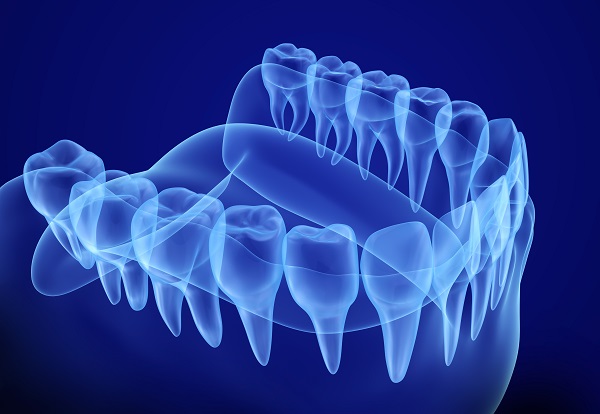
Learning more about what an oral surgeon can do can help many dental patients better understand the variety of dental services that are available to them. According to WebMD, oral surgeons work as part of a team of health care professionals to correct dental problems through a series of treatments and surgical procedures over many years. While patients can often choose to have a general dentist or an oral surgeon extract any wisdom teeth, a general dentist refers most patients to see an oral surgeon.
About wisdom teeth
Wondering why an oral surgeon would be needed to extract a wisdom tooth if a general dentist often performs tooth extractions? Wisdom teeth are also known as your third set of molars. Some people's mouths will accommodate this third set, while others will experience problems. A common reason for needing a wisdom tooth extracted from the mouth is because the tooth is impacted. Since impacted wisdom teeth are more likely to cause other dental problems, it is often necessary for a professional oral surgeon to extract them in order to avoid any additional issues.
Reasons for wisdom tooth extractions
The following is a list of common reasons someone would need to have one or more of their wisdom teeth extracted.
The wisdom tooth is impacted
An impacted wisdom tooth is also known as a partially erupted wisdom tooth. This type of situation means that a wisdom tooth will never fully grow in and that some of the tooth is still situated underneath the gums. Those who have been diagnosed with an impacted wisdom tooth will need to have it extracted so it does not cause additional dental problems, like an infection.
The wisdom tooth is growing in crooked
When a wisdom tooth starts to grow in crooked, it can easily affect the rest of the teeth. Sometimes a wisdom tooth will grow in at an angle, which means it will grow out the side of the gums instead of the top. This situation often leads to various degrees of pain and can potentially lead to crooked teeth if the wisdom tooth is not extracted.
There needs to be room for braces
Sometimes, wisdom teeth just get in the way of any necessary orthodontic treatments, like braces. When it has been determined that someone's wisdom teeth are going to cause problems if orthodontic treatment is necessary, the next step is making an appointment to remove one or more of the wisdom teeth. This removal will help patients avoid any pressure or pain caused by wisdom teeth, as well as crowding problems.
Ready to make an appointment?
Ready to make an appointment with our experienced oral surgeon? When you need to have one or more of your wisdom teeth extracted, understand that oral surgeons undergo additional training in order to perform dental surgeries. This means that if you are experiencing problems with your wisdom teeth, necessitating that they be extracted from your mouth, having an oral surgeon perform the surgery ensures that any wisdom teeth problems will be taken care of.
Request an appointment here: https://hemetdentalcenter.com or call Hemet Dental Center: Brian Stiewel DDS, INC. at (951) 707-4366 for an appointment in our Hemet office.
Check out what others are saying about our services on Yelp: Read our Yelp reviews.
Recent Posts
A cosmetic dentist can help create a smile you will be proud of, whether you are suffering from chipped teeth, stains, gaps, or poorly aligned teeth that are detracting from your smile's appearance. Most people have multiple dental issues that affect the aesthetics of their teeth, requiring a comprehensive treatment plan to address.Cosmetic dentists are…
Your cosmetic dentist can transform your appearance by enhancing your smile. You may be able to get these treatments from your general dentist. But a dentist who focuses on cosmetic dental treatments can deliver them with more detail. The following are the common procedures your cosmetic dentist can perform.This treatment is also called cosmetic bonding.…
Research shows that the demand for a cosmetic dentist’s services is increasing every year. The goal is to improve one’s smile. This dental care provider can address many cosmetic dental problems. Knowing the top services offered by a cosmetic dentist can help you make informed decisions on your next dental appointment.Teeth whitening is a quick…
Searching "emergency dentist near me" is the best course of action when sudden dental trauma or intense pain makes it impossible to function normally. Dental crises range from dull aches that suddenly sharpen to significant physical injuries that compromise the appearance and function of the smile. Identifying the specific signs of a true dental emergency…