Oral Surgery FAQ: Dental Implants Placement
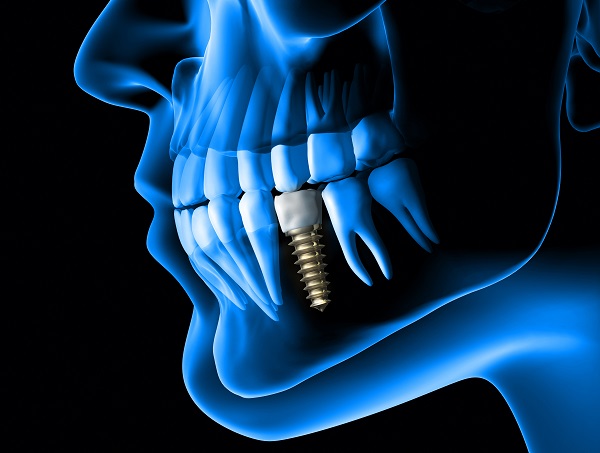
Oral surgery is required for dental implant placement. While this may sound stressful to many who are considering treatment, it is not nearly as invasive as many may fear. It is helpful to have a clear understanding of the implant placement process when deciding about treatment.
Common questions about dental implants
There are certain questions dentists and oral surgeons often receive about the dental implant placement process. The following are answers to several of the most frequently asked questions about oral surgery as it relates to the placement of dental implants for teeth replacement.
How can I recover from dental implant placement?
Dental implants require a surgical procedure, but this should not scare those considering treatment away. With a proper aftercare plan in place, patients can make a full recovery quickly after surgery. The oral surgeon is likely to provide the patient with specific aftercare instructions, which typically involves dietary restrictions, oral care techniques and more. Patients should avoid foods that are harder to chew and foods and drinks with high levels of sugar and other carbohydrates and instead stick primarily to soft, easy-to-eat foods. A consistent and thorough oral care routine is essential as well.
How many steps are involved in dental implant placement?
Every oral surgeon and cosmetic dentist has their own process for the steps involved in the dental implant placement process. However, the procedure typically involves preparing the mouth if necessary through gum disease treatment and bone grafting, followed by a surgical process to access the supporting bone of the missing tooth and place the dental implant. Once the implant undergoes osseointegration, fusing with the jawbone, the abutment and artificial tooth are placed to complete the restoration.
How can I keep my replacement teeth clean?
Caring for dental implants is almost the same as caring for natural teeth. Patients should continue to brush several times each day, use mouthwash and floss daily and check for any signs of oral health complications. Whereas traditional dentures require removal to properly clean them, dental implants, which are not removable, only require routine care. Although there are not many dietary restrictions, it is advised to limit the intake of foods and drinks high in sugar and other carbohydrates, along with alcohol consumption and smoking.
How long do dental implants last?
Dental implants can last for 25 years or more with proper care, and they are perhaps the most long-term and permanent solution to replacing missing teeth. While proper oral hygiene and avoiding potentially damaging foods or teeth grinding is important, patients are likely not to experience many problems with dental implants. If any issues do arise, be certain to contact a cosmetic dentist as soon as possible for repair.
Find out more about dental implant placement oral surgery
We encourage anyone who is missing one or more of their natural teeth to consider how dental implants might benefit them. Here at our office, we help patients achieve a more attractive and healthy smile through dental implants, and we walk each patient through every step of the treatment process.
Request an appointment here: https://hemetdentalcenter.com or call Hemet Dental Center: Brian Stiewel DDS, INC. at (951) 707-4366 for an appointment in our Hemet office.
Check out what others are saying about our services on Yelp: Read our Yelp reviews.
Recent Posts
Curious about cosmetic dentistry? Read on to learn more. A cosmetic dentist helps patients achieve the smile of their dreams. While they can perform many surgical procedures to accomplish large changes, like replacing an entire dental arch with beautiful prosthetic teeth, many of their services are much less intensive. Plenty of non-invasive options exist if…
Routine dental checkups often include preventive measures that go beyond cleaning teeth. An example is the oral cancer screening. General dentists recommend these screenings to detect early signs of oral cancer, which can significantly improve treatment outcomes. Understanding the role of oral cancer screenings and what to expect during them can help you decide whether you…
If your smile has been worn down over time due to issues like bruxism (grinding) or if you were simply born with smaller-than-average teeth, a cosmetic dentist can provide options to help you achieve the smile that you desire. Many people are self-conscious about their smiles due to the color of their teeth or crookedness,…
A full mouth reconstruction restores oral health, functionality, and aesthetics for patients with extensive dental issues. This process combines multiple restorative, cosmetic, and sometimes surgical procedures to address concerns such as missing teeth, decay, gum disease, or bite misalignment. No matter the issue, a full mouth reconstruction is tailored to the individual's unique needs, offering…